The Future of Aviation

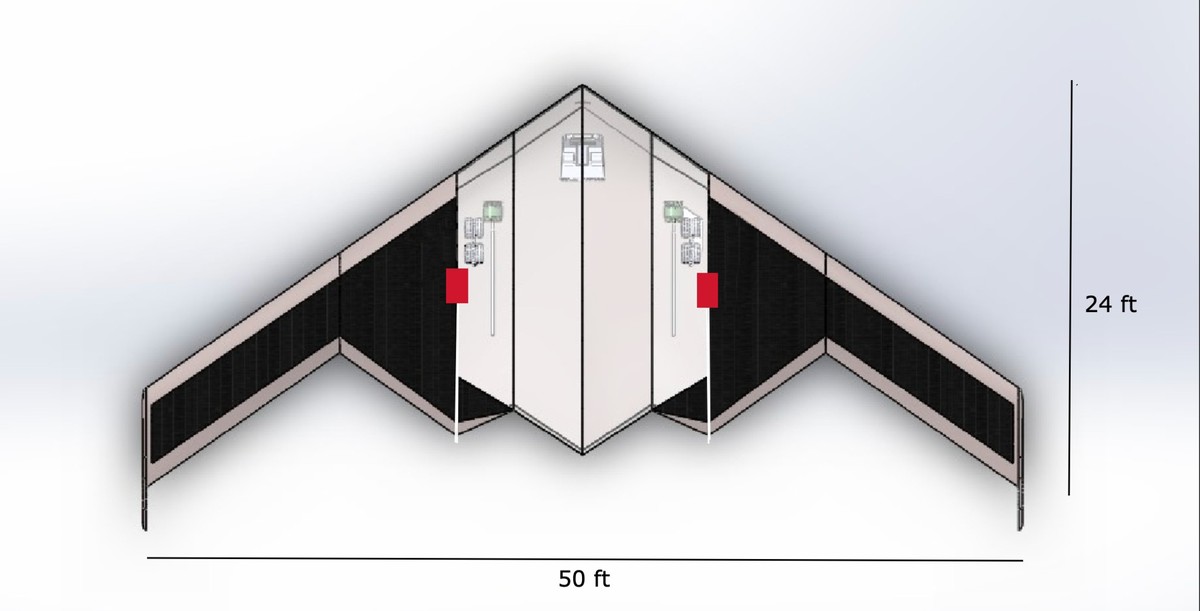
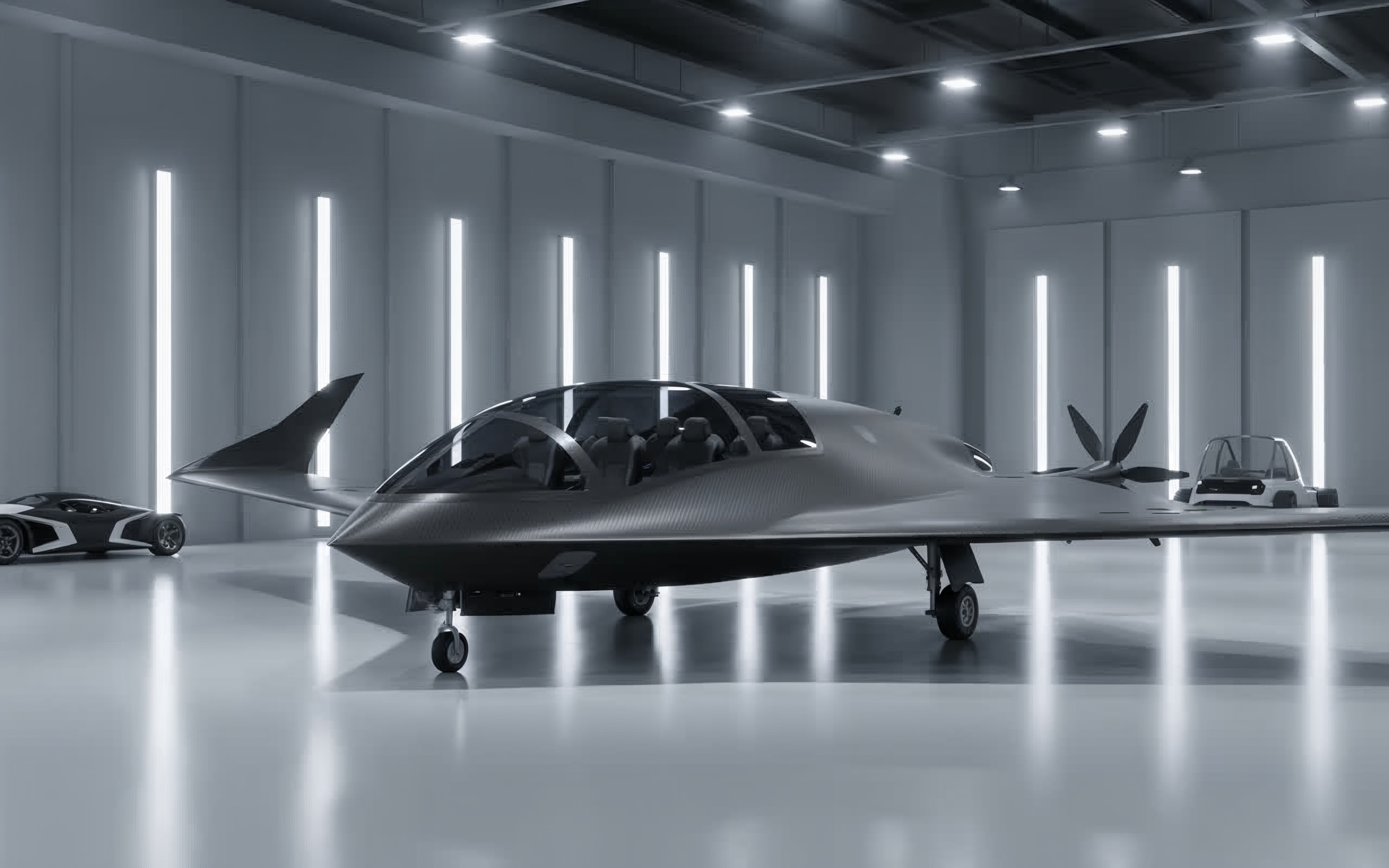
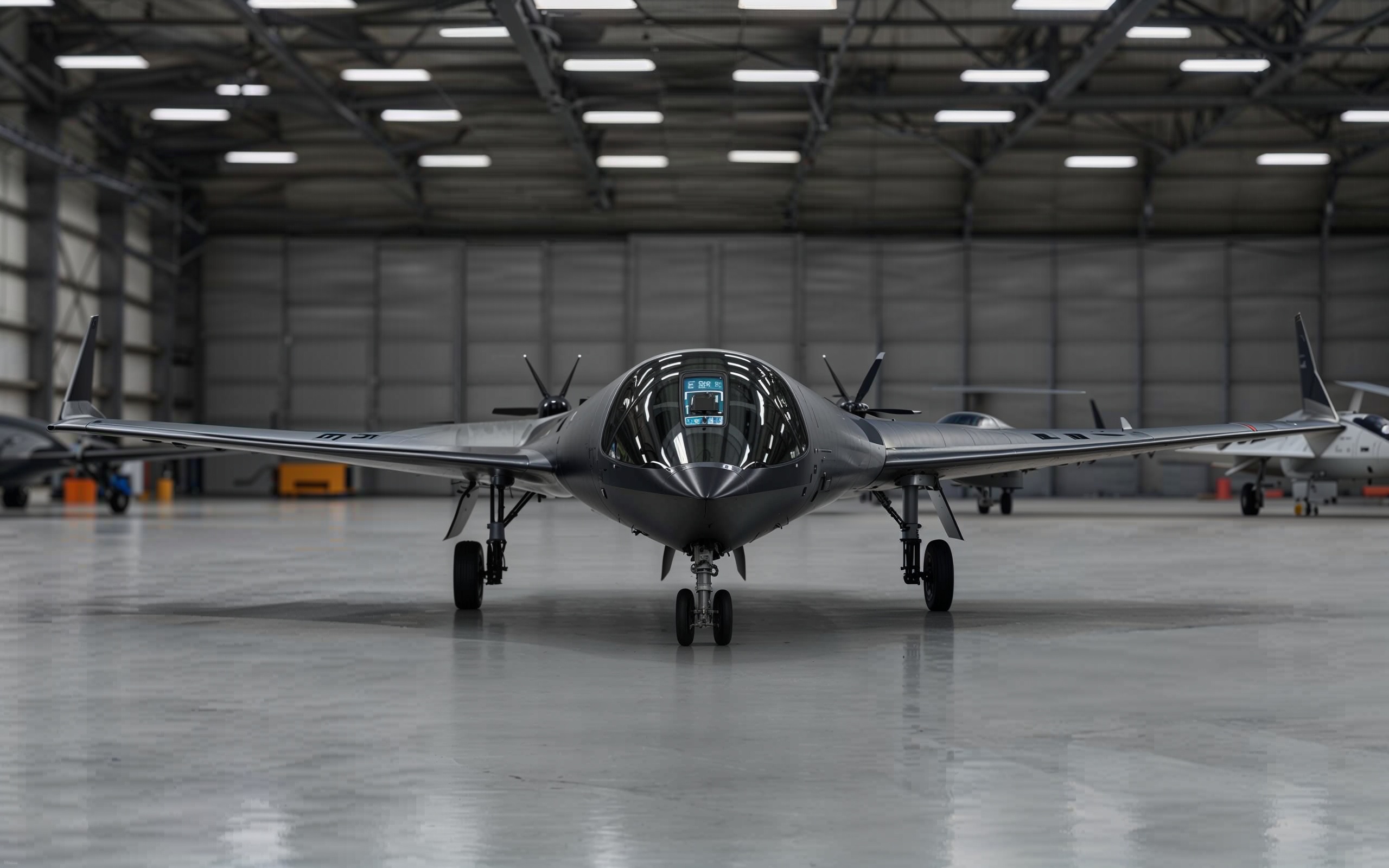
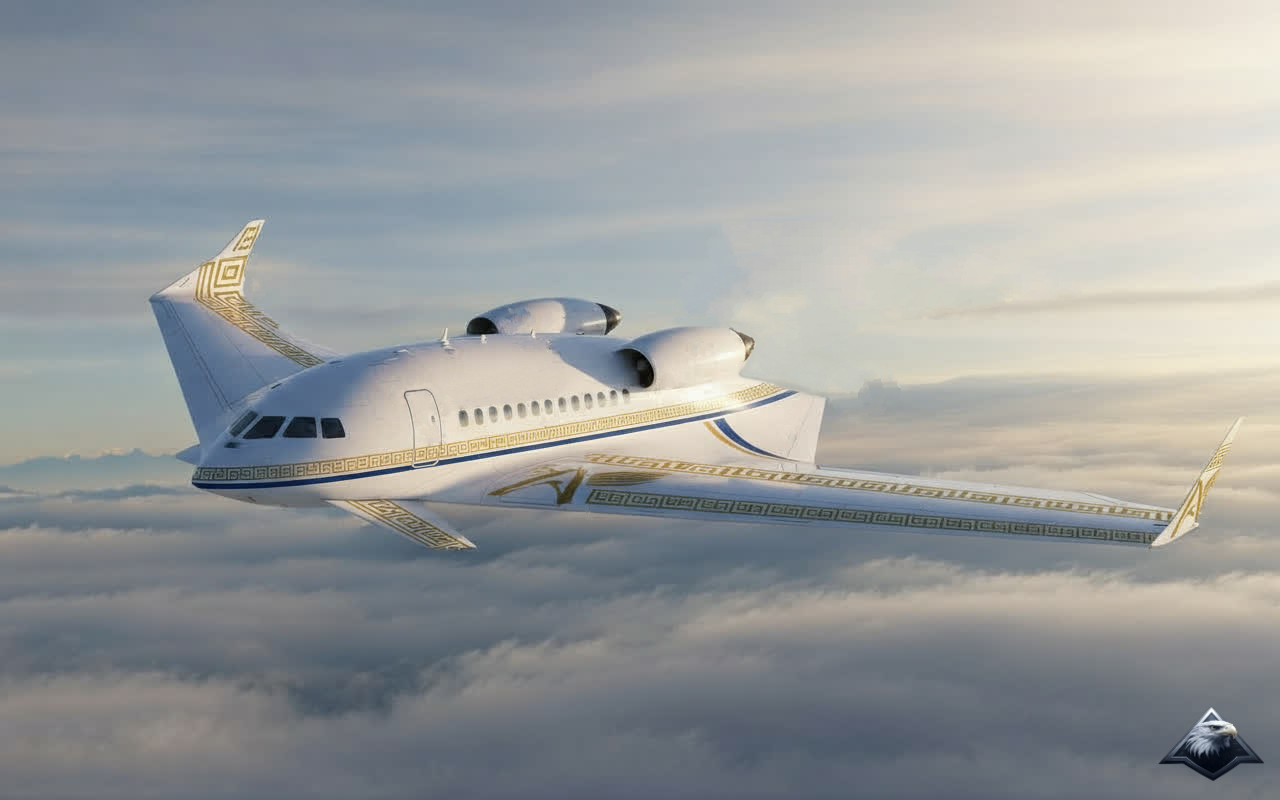
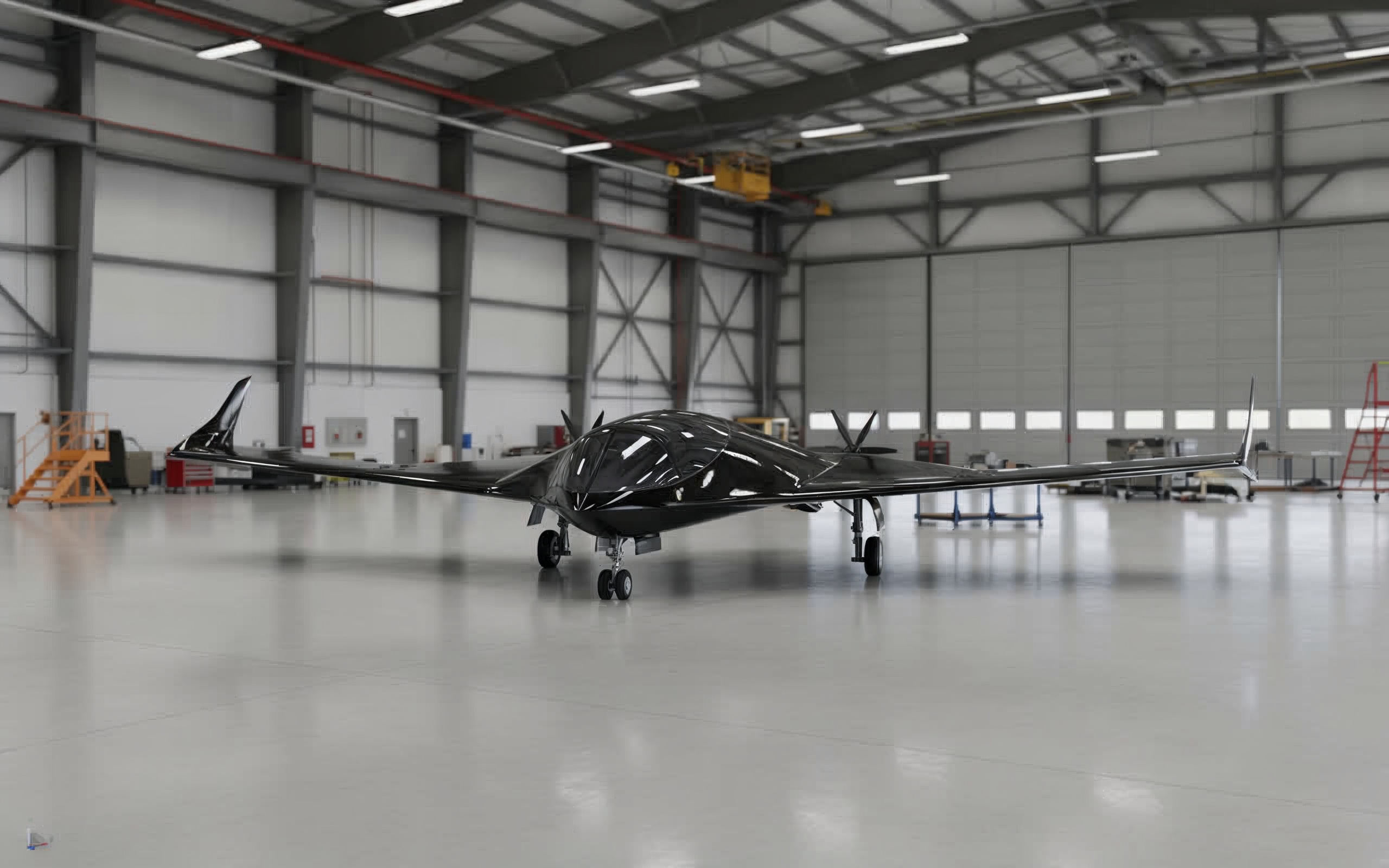
Archon designs clean-sheet flying wing aircraft around a single idea: remove the fuselage and tail, and the drag goes with them. Our lead programme, the B2N Boomerang, targets a design range of 2,348 nm on 200 gallons in a five-seat airframe — roughly 83% beyond the published range of a comparable certified light twin, on the same class of engine.

Design, engineering, and airframe fabrication are planned at our facility in the Clark Freeport Zone, Pampanga, Philippines.

All performance figures on this site are engineering design targets derived from analysis and published supplier data. They are not flight-test results. No Archon aircraft has flown or received type certification.

Fixed-Wing Programmes

One flying wing platform, scaled across missions. The B2N Boomerang is the pre-production demonstrator; remaining configurations are in design.

VTOL Programmes

Three vertical-lift platforms at design and analysis stage. None has flown; all figures are design analysis against supplier-published component data.

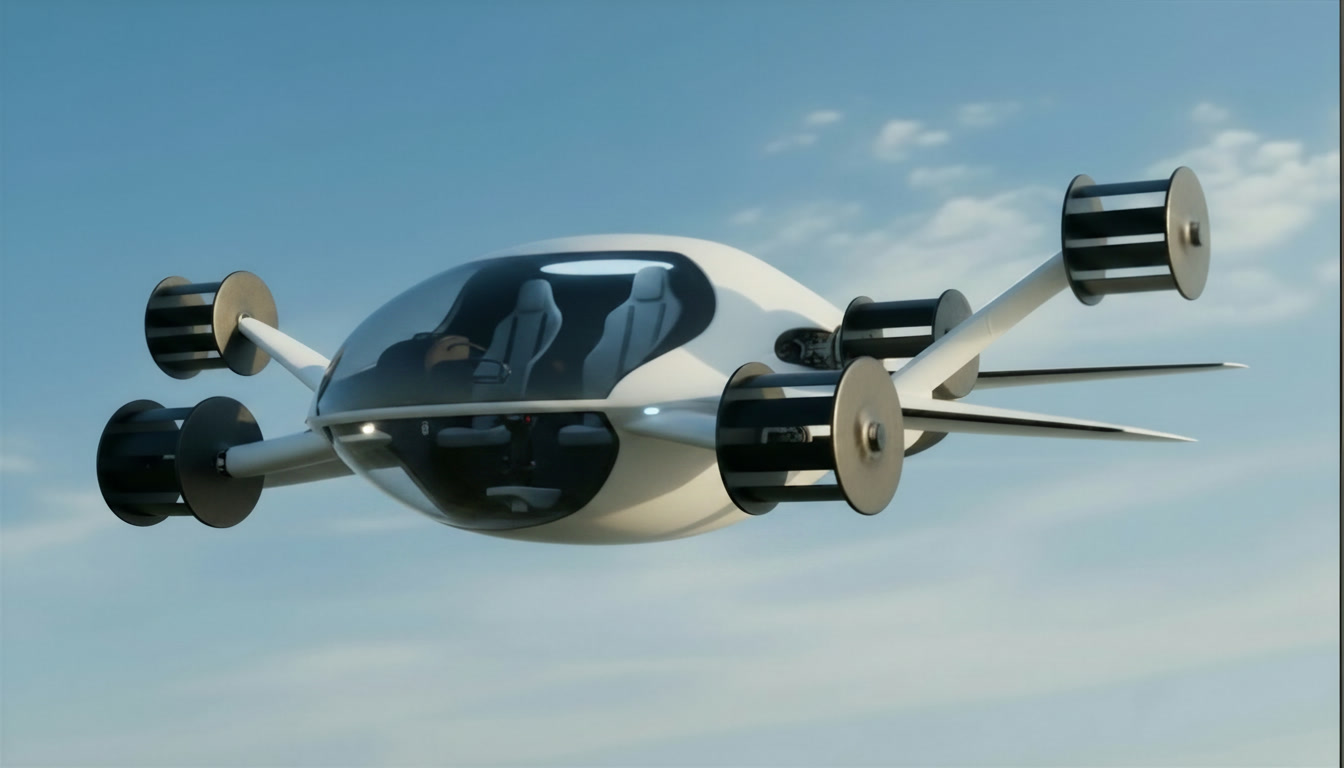
Archon X6 six-rotor compound VTOL

Archon X6

Six-rotor compound VTOL, series-hybrid turbogenerator configuration.

  • Range, 1 occupant465–553 nm
  • Range, 2 occupants36–116 nm
  • Max Takeoff Weight705 kg
  • Cruise Speed82 kt
  • Lift System6 × cyclorotors
  • FuelJet A-1

Above transition the wing carries all lift and the rotors feather to zero power, so cruise draws roughly a quarter of hover demand. Concept development; the selected cyclorotor unit is not yet in series production.

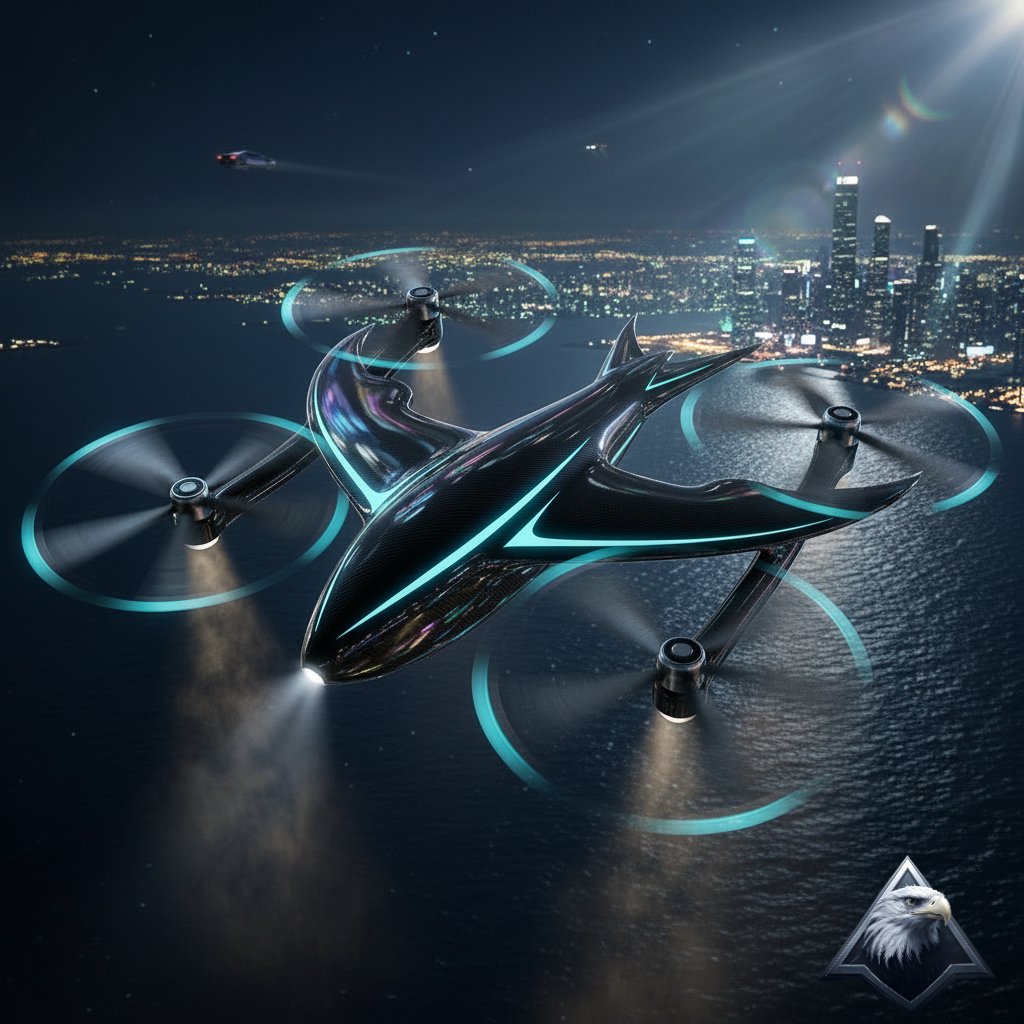
The Swift hydrogen-electric ducted tilt-rotor

The Swift

Hydrogen-electric ducted tilt-rotor. Four variants on one propulsion architecture.

  • S1-D — 2 seat400 mph
  • S2 — 5 seat375 mph
  • S3 — 8 seat350 mph
  • Max Range (S3, LH₂)480 mi
  • Energy SourcePEM fuel cell
  • Operational EmissionsZero

Open-rotor eVTOLs stall the retreating blade around 180–200 kt. In cruise the Swift's arms rotate horizontal and the aircraft behaves as a four-engine turboprop. Speed figures derive from duct-inlet compressibility at sea-level ISA.

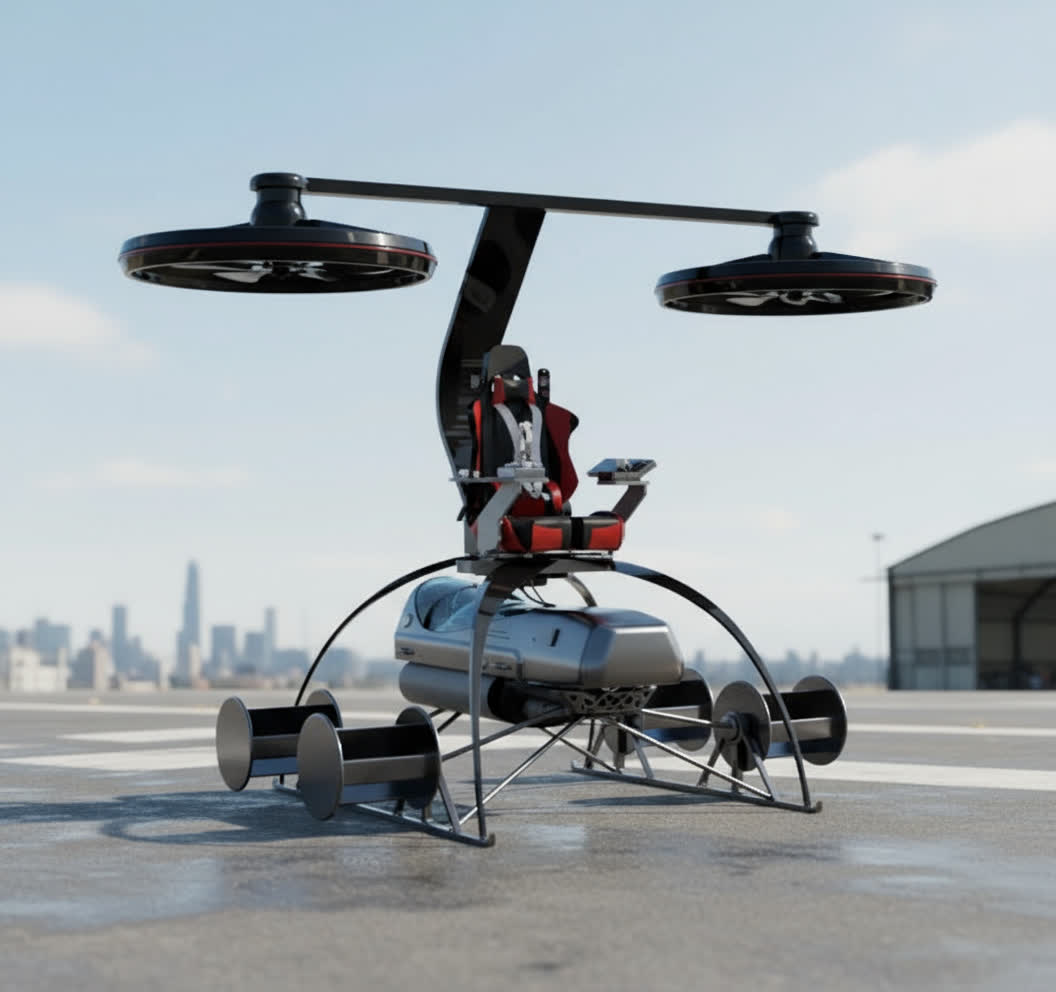
The Owl single-seat hybrid-electric VTOL

The Owl

Single-seat hybrid-electric tilt-rotor VTOL. Multi-mission utility platform.

  • Cruise Speed80 kt
  • Range + reserve43 nm
  • Payload82 kg
  • Peak Power412 kW
  • EnergyPEM fuel cell + battery
  • AutopilotDAL-A, triple-redundant

Missions: search and rescue, medical supply delivery, fire observation, personal transport. Flight-critical avionics are bought certified rather than built, which removes the longest software certification path from the schedule.

Hydrogen Ecosystem

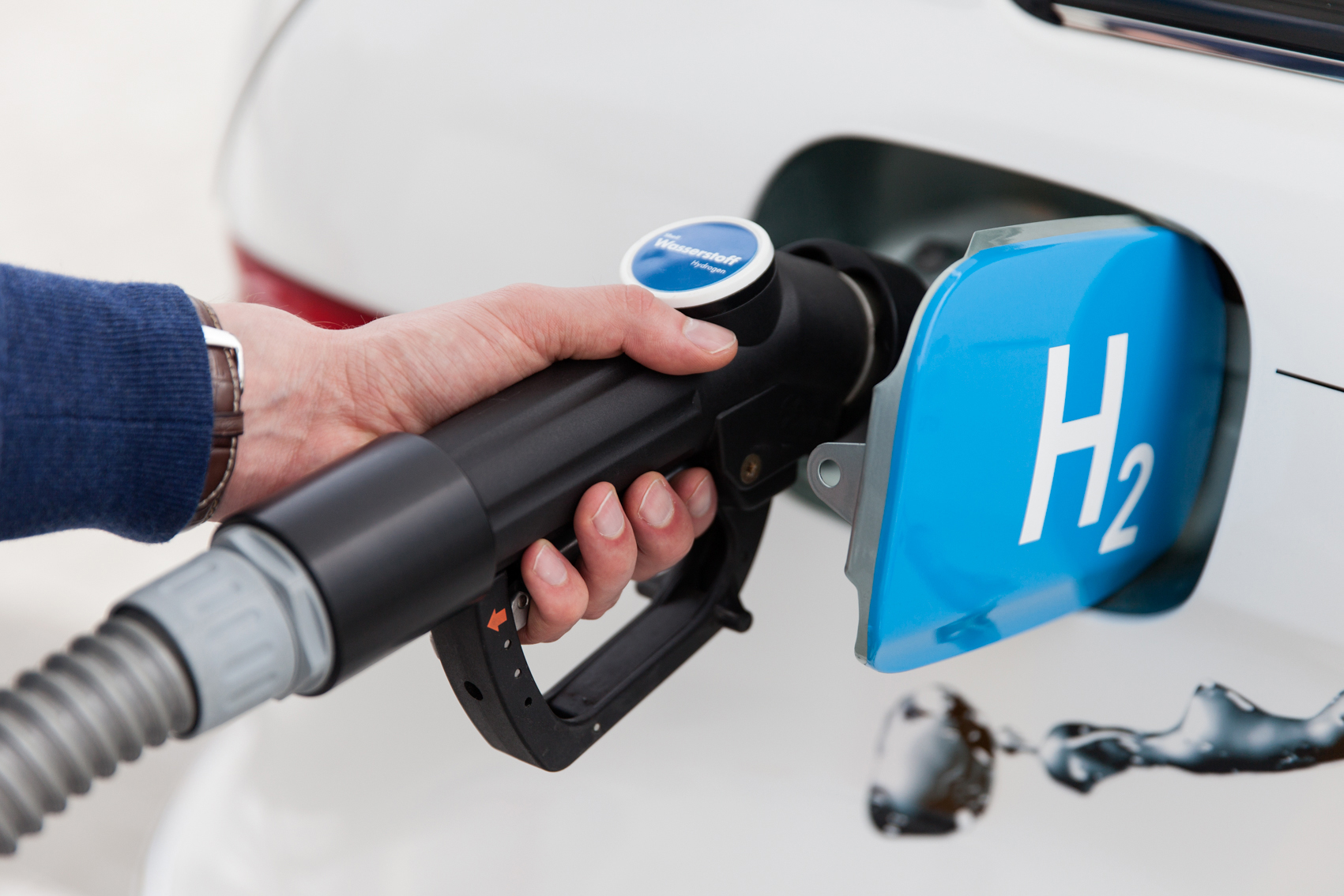
Archon's long-term plan is to participate across the hydrogen value chain — from renewable production to distributed refuelling — reducing reliance on imported aviation fuel. These facilities are planned, not yet operational.

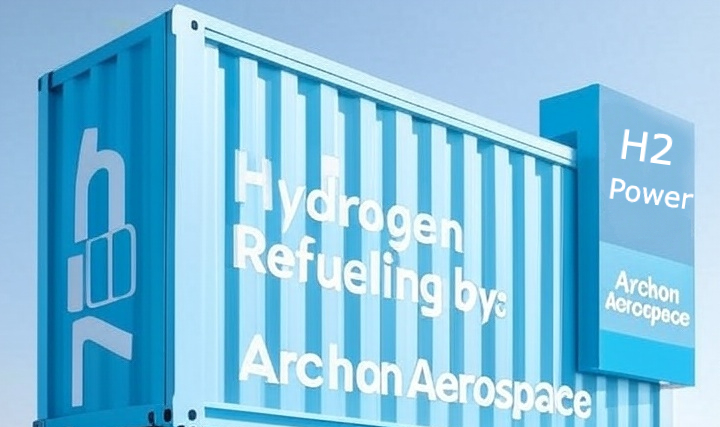
Modular hydrogen production container concept

Green Hydrogen Production

Planned modular electrolysis units powered by renewable input, designed for deployment at airports, remote sites, and distributed network nodes.

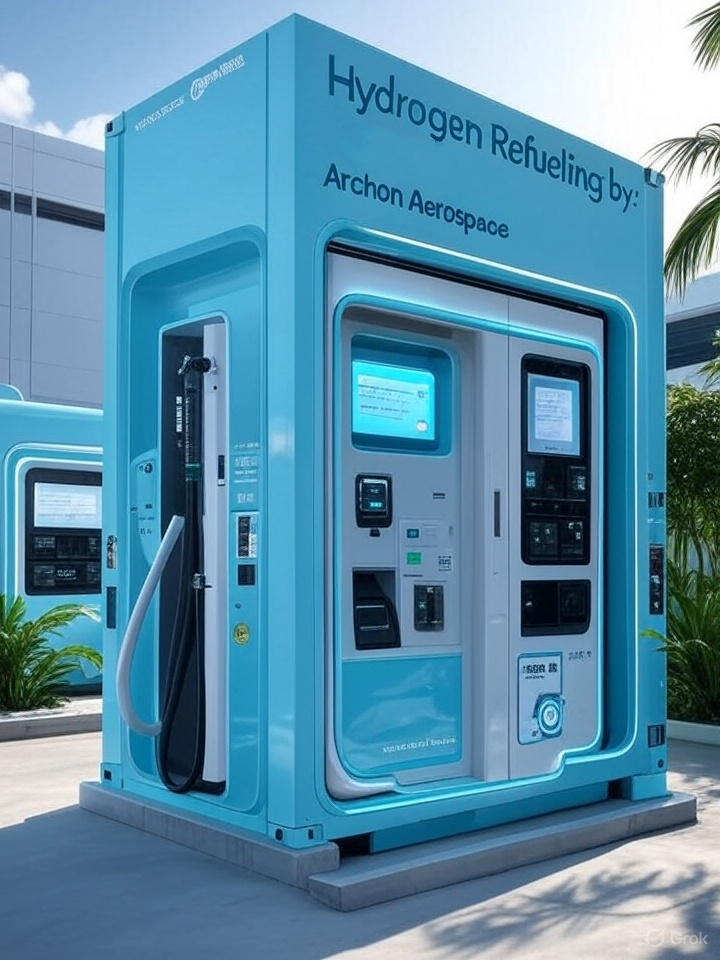
Self-service hydrogen refuelling station concept

Self-Service Refuelling

Planned refuelling points at airports and distributed locations, designed around safe, efficient hydrogen dispensing for aviation and ground users.

Revenue and scale

Revenue & Scale

Fuel sales are modelled as a second revenue line alongside aircraft, with vertical integration intended to protect margin across both.

$3/kg
Clark Production Target at Scale
$6/kg
Regional Merchant Supply at Scale
$12/kg
Current Delivered Retail
Note on figures: The $3/kg figure is Archon's onsite electrolysis target at full build-out, not a market price and not a currently achieved cost. It depends on renewable electricity price, electrolyser capital cost, and utilisation. Assumptions are available to investors on request.

Why Hydrogen for Aviation

High Energy Per Kilogram

By mass, hydrogen carries roughly three times the energy of Jet A. Its volumetric density is far lower, so tank design and integration are the central engineering challenge — one a thick-section flying wing is unusually well suited to solve.

Zero In-Flight Emissions

Hydrogen fuel cells produce only water — no CO2, NOx, or particulates. Archon's hydrogen aircraft use fuel cells rather than combustion for exactly this reason.

Improving Cost Curve

Green hydrogen costs are falling as electrolyser capacity scales. Timing to parity with Jet A varies widely by region and by forecast, and remains uncertain.

Secure Systems

Hardware and software programmes supporting operations where connectivity and device integrity cannot be assumed.

PHANTOM-1 secure Android handset interface

PHANTOM-1

Secure Android handset — hardware root of trust, satellite fallback, no Google services.

  • Secure ElementNXP SE050E2
  • Off-Grid MessagingIridium Short Burst Data
  • Emergency Wipe5-press, cryptographic
  • Operating SystemHardened AOSP fork
  • Google ServicesNone
  • FabricationClark Freeport Zone

A discrete secure element holds device keys outside the application processor, so a compromised OS does not hand over credentials. A satellite transceiver carries short-burst messages and position when there is no cell coverage at all.

Engineering prototype. Component selection is complete, but the custom carrier board tying those components together has not yet been designed, so no working handset exists. Screens shown are the functional software prototype. PHANTOM OS has not been reviewed by a third-party security auditor. Unit pricing is not yet published.

Published Literature

Selected peer-reviewed and industry publications informing our design approach. These papers are the work of their respective authors and are not studies of Archon aircraft.

Title Publisher Relevance to Our Work Link
Aerodynamic Design Optimization for Flying Wing Gliders MDPI – Aerospace Neural network and genetic algorithm methods for planform optimisation. Link
Enhancement of Flying Wing Aerodynamics in Crossflow Aerospace Science and Technology Flow reattachment behaviour in crosswind conditions. Link
Stability-Constrained Aerodynamic Shape Optimization AIAA Journal Stability constraints at subsonic and transonic speeds. Link
Synthesis of the Aerodynamic Model of a Flying Wing Aircraft TU Delft Modelling approach for the Flying V; endurance coefficients. Link
Multi-Point Aerodynamic Inverse Design of Flying Wings AIP Physics of Fluids Inverse design methods across multiple flight points. Link
Hydrogen Propulsion Systems for Aircraft International Journal of Hydrogen Energy Fuel cell hybrid architectures and system efficiency. Link
A Review of Hydrogen-Powered Distributed Propulsion Aircraft Clean Energy (Oxford Academic) Blended-wing integration of distributed propulsion. Link
Trade-Space Assessment of Liquid Hydrogen Propulsion AIAA Journal of Aircraft Feasibility trade space for long-range liquid hydrogen configurations. Link
Scaling Hydrogen–Electric Propulsion for Large Aircraft ZeroAvia Whitepaper Industry view on narrowbody scaling pathways. Link
Hydrogen-Powered Aviation: Cross-Sectional Patent Analysis MDPI – Applied Sciences Survey of the 2018–2024 hydrogen aviation patent landscape. Link

Leadership & Advisors

Leadership

Zen L. Fry, CEO and Founder

“Zen” L. Fry

CEO & Founder

US Marine Corps Veteran

FAA Commercial Pilot

Advisors

Peter Grandics, Technical Advisor

Peter Grandics

PhD, Biochemistry

Inventor, 11 patents

Technical Advisor

Adam Martinez, Advisor

Adam Martinez

US Marine Corps Veteran

Advisor

Committed on Close

Senior engineering and programme roles are identified with candidates in advanced discussion. Formal engagement is contingent on completion of the current financing round. Advisors listed above serve in a non-executive capacity.